Introduction: The Secret Language of Scent
(Small Paragraph for Blog Page Snippet)
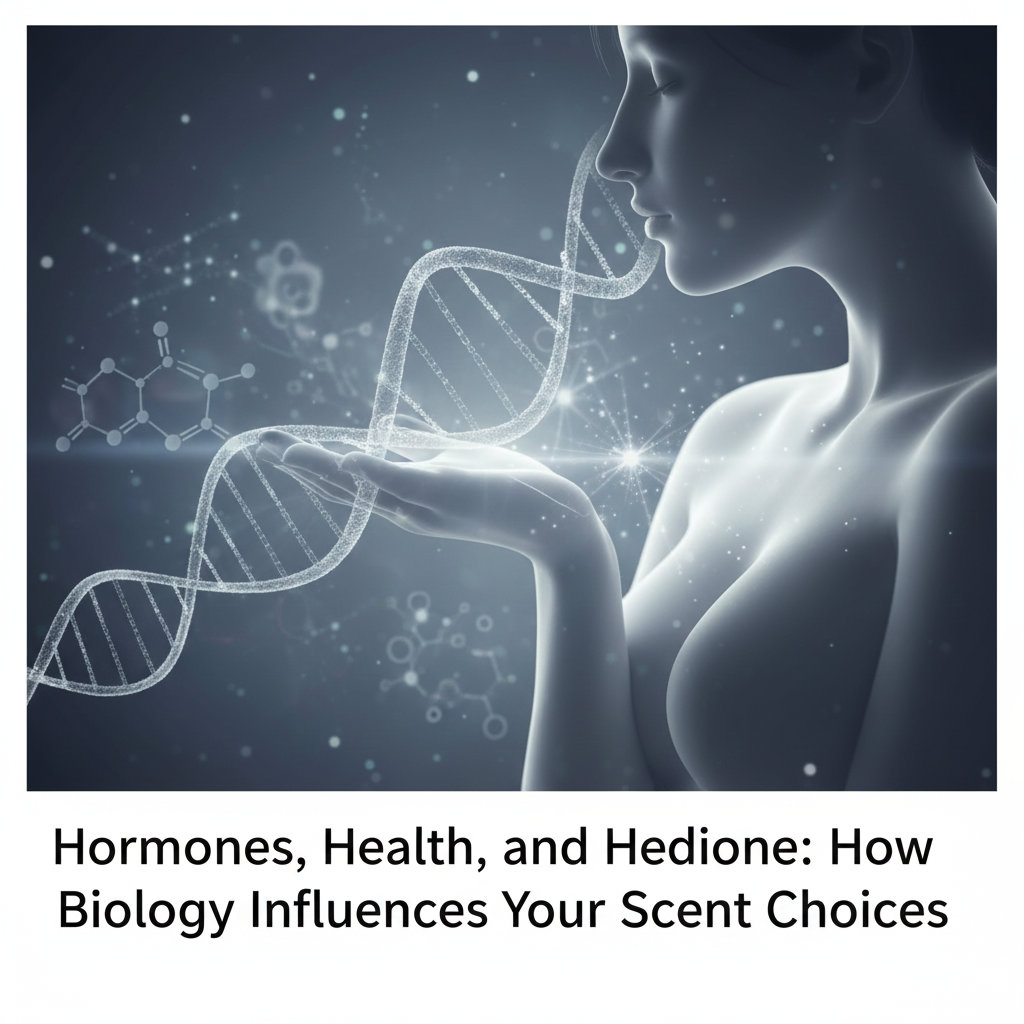
You might think you choose a fragrance based purely on what smells good, but your body has a powerful, often subconscious say in the matter. Our sense of smell is profoundly tied to our biology—from our hormonal cycles and stress levels to our immune system health. Certain molecules can even trigger subtle pheromonal responses! We dive into the fascinating science behind this secret language, revealing how your personal chemistry changes how a perfume smells on you, and how your brain uses aroma compounds like Hedione to influence attraction and mood.
Section 1: The Personal Chemistry Filter (Why Scents Change)
A perfume doesn’t smell the same on the bottle’s card as it does on your skin. Your unique body chemistry acts as a filter:
1. Diet and Sweat
What you eat and drink can alter the pH and oiliness of your skin. Spicy foods, alcohol, and certain medications can be excreted through the skin’s pores, subtly changing the final drydown of a scent, often making florals turn sharp or musks turn sour.
2. Hormonal Cycles
In women, the menstrual cycle can dramatically influence scent perception. Studies suggest that during the fertile phase, women may be drawn to lighter, sweeter, or muskier scents, while favoring heavier, woody, or spicy scents during other phases. Your nose is subtly guided by your body’s hormonal state.
Section 2: Pheromones and Olfactory Attraction
While humans don’t rely on pheromones as heavily as other mammals, scent still plays a powerful role in attraction, often in a way we don’t consciously register.
1. MHC Complex (Immune System Scent)
Our bodies emit natural chemical signals related to our Major Histocompatibility Complex (MHC), which is linked to our immune system. Studies show we are often subconsciously drawn to the natural body odor of people whose MHC profile is different from our own—a biological mechanism designed to ensure healthier offspring.
2. The Hedione Effect
Hedione (Methyl Dihydrojasmonate) is a famous synthetic molecule used in perfumery to give a fresh, luminous, often floral jasmine or magnolia effect. Research has shown that Hedione activates a specific area of the human brain linked to the limbic system, suggesting it may have a subtle, positive influence on mood and attraction, acting almost like an invisible social cue.
Section 3: Scent as a Mood Regulator
Beyond attraction, fragrance is an active tool you can use to manage your mental state:
- Stress Reduction: Notes like Lavender and Chamomile directly impact the central nervous system, reducing heart rate and promoting physical relaxation.
- Focus and Energy: Stimulants like Peppermint, Eucalyptus, and sharp Citrus have been shown to temporarily increase alertness and reduce mental fatigue (as discussed in the Scent and the Psyche post).
- Olfactory Anchoring: Intentionally wearing a specific scent while practicing deep breathing or meditation can create a strong emotional anchor, allowing you to trigger a state of calm simply by smelling that perfume later.
Conclusion: Use Your Biology Wisely
Your relationship with fragrance is the most intimate it gets, a constant interplay between chemistry, hormones, and memory. By understanding how your biology filters and responds to the ingredients you wear, you can select scents that don’t just smell good, but actively support your emotional state and enhance your natural, invisible signals.
Call to Action
Have you ever noticed a scent you loved suddenly turning sour on your skin? Share your experience with a perfume that you feel perfectly matches your personal chemistry!
🏷️ Suggested Tags
#PerfumeScience #Hormones #Hedione #Pheromones #TheSmell #BodyChemistry #Biology
🔗 Internal Linking (Crucial for SEO)
- Link 1 (Related Mindset): Discuss the intentional use of scent for focus in Scent and the Psyche: How to Use Perfume to Boost Your Confidence and Focus.
- Link 2 (Related Ingredients): Discuss the role of notes in The 7 Fragrance Families: Finding Your Olfactory Home.
- Link 3 (Related Application): Explain why scent lingers differently on you with Why Your Perfume Disappears: 5 Reasons Your Scent Isn’t Lasting (And How to Fix It).
Share this post:
on Facebook