Introduction: Perfume as a Tool for Wellness
(Small Paragraph for Blog Page Snippet)
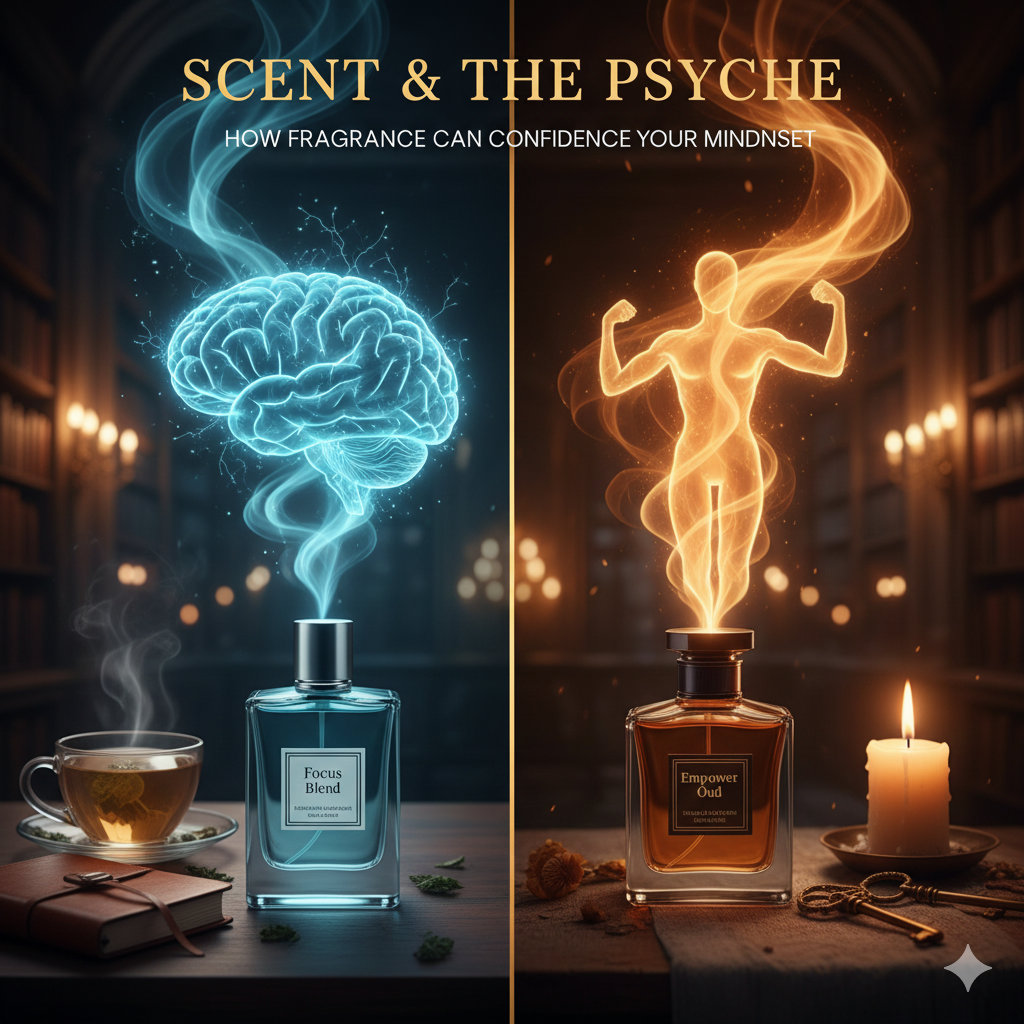
We often choose fragrance for aesthetic pleasure, but its power extends far beyond simply smelling nice. The connection between scent, memory, and emotion is biologically hardwired in the brain, making perfume a profound tool for psychological regulation. This is the art of olfactory psychology: intentionally selecting and applying scents to manage your mood, boost your confidence for a critical meeting, or anchor yourself in a moment of calm. Stop wearing perfume only for others, and start wearing it strategically for yourself.
Section 1: The Biology of Olfactory Anchoring
Your sense of smell is unique because it is the only sense processed directly by the limbic system—the part of the brain responsible for emotion, memory, and instinct.
1. The Memory Bridge
When you smell a specific note, the signal immediately travels to the amygdala and hippocampus, often triggering an emotional memory before your brain can even consciously recognize the smell. This bypass of rational thought makes scent the most powerful sensory trigger for memory and mood.
2. Creating an “Anchor”
An olfactory anchor is a scent you intentionally wear during a specific emotional state to lock in that feeling. For example, wear a new, unique scent every time you successfully finish a complex task. Over time, simply smelling that fragrance will trigger the feeling of accomplishment and confidence.
Section 2: Scents for Confidence and Focus (The Perfume Prescription)
Different fragrance families have been shown to trigger predictable mental responses. Use this guide to select your scent based on your psychological need:
| Psychological Goal |
Ideal Scent Notes / Family |
The Mechanism |
| Confidence & Power |
Oud, Leather, Intense Amber, Heavy Spices. |
These notes are deep and dense; they project authority and are associated with luxury and complexity. |
| Energy & Focus |
Sharp Citrus (Lemon, Grapefruit), Peppermint, Eucalyptus. |
These volatile notes stimulate the central nervous system, increasing alertness and reducing mental fatigue. |
| Calm & Stress Relief |
Lavender, Chamomile, Sandalwood, Frankincense. |
These notes have been shown to reduce heart rate and signal safety to the brain, inducing physical relaxation. |
| Creativity & Novelty |
Niche/Unusual Notes (Ink, Rain, Unusual Florals). |
Choosing a scent that breaks the mold can disrupt routine thinking and stimulate abstract thought processes. |
Section 3: Strategic Application for Mental State
Where and how you apply your scent can enhance its psychological effect:
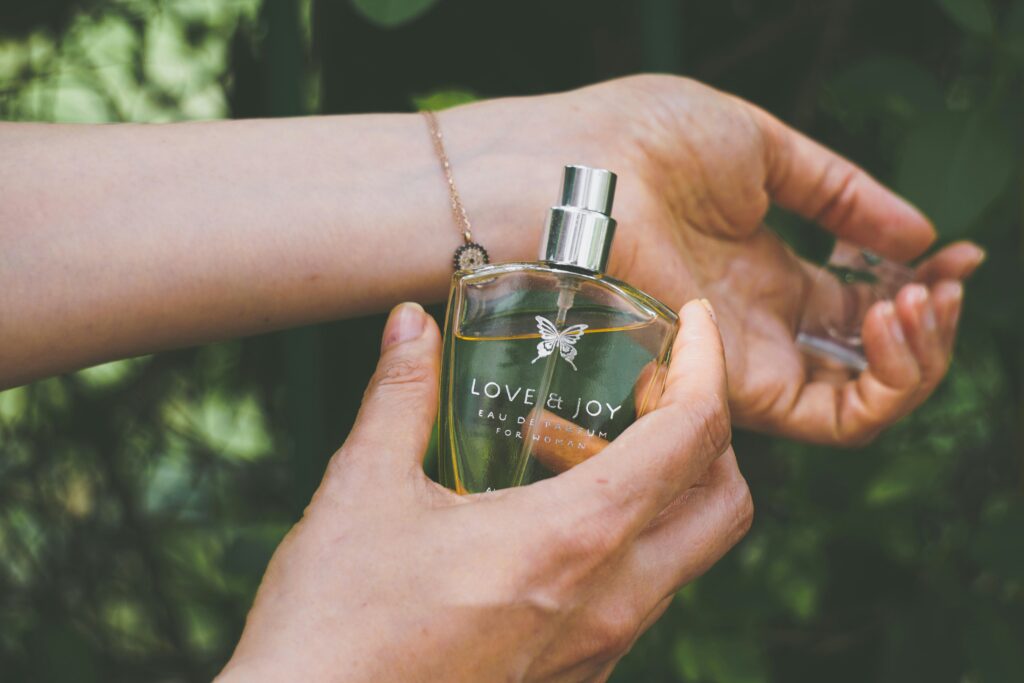
- The Intentional Ritual: Before a stressful event, spray your chosen anchor scent. As you spray, consciously think of the feeling you want to evoke (calmness, focus, etc.). This ritual strengthens the olfactory link.
- The “Sniff Spot”: For focus and energy, apply a dab of a high-energy oil (like a light mint or lemon oil) to the inside of your wrist. This allows you to quickly and discretely raise the wrist to your nose for a stimulating “dose” during long tasks without distracting others.
- The Scented Space: For studying or working, lightly spray a tissue or blotter with your focus scent and place it just outside your immediate field of vision. This provides a constant, low-level stimulation that supports concentration.
Conclusion: Wear Your Wellness
Perfume is a powerful, invisible ally in managing the complexities of modern life. By understanding the deep link between your brain and your nose, you can harness your fragrance collection not just as a vanity item, but as a sophisticated tool for mental clarity, confidence, and emotional well-being.
Call to Action
What is the specific scent you wear when you need a boost of confidence? Do you notice a difference in your focus when you wear a sharp citrus versus a heavy amber?
🏷️ Suggested Tags
#ScentPsychology #ConfidenceBoost #FocusHacks #OlfactoryAnchoring #PerfumeWellness #TheSmell
🔗 Internal Linking (Crucial for SEO)
- Link 1 (Related Science): Discuss the specific molecules at work in Hormones, Health, and Hedione: How Biology Influences Your Scent Choices.
- Link 2 (Related Ingredients): Provide context for the notes in The 7 Fragrance Families: Finding Your Olfactory Home.
Link 3 (Related Application): Explain the difference between formats for discretion in When to Choose a Solid Perfume or Oil vs. A Spray (And Why).
Share this post:
on Facebook