Introduction: Simplicity is the Ultimate Sophistication
(Small Paragraph for Blog Page Snippet)
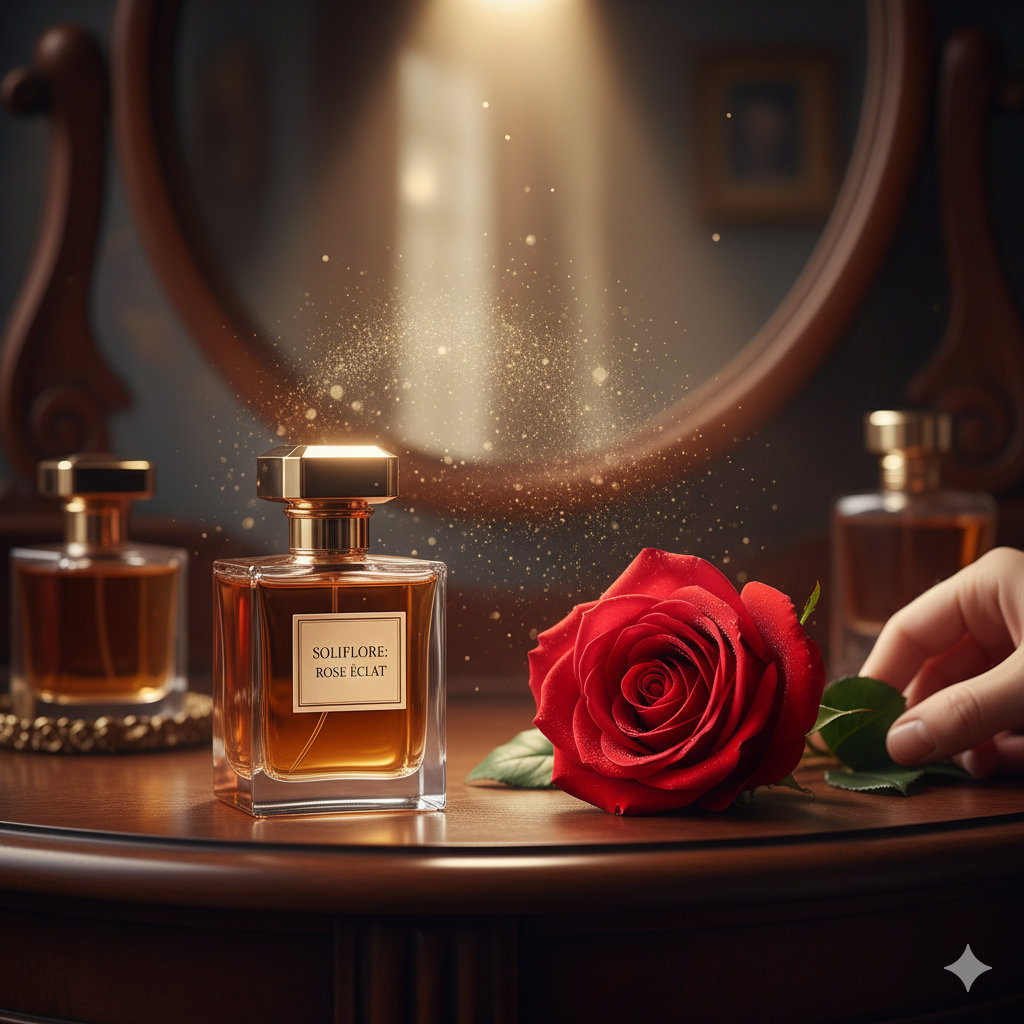
In an era defined by complex blends, the Soliflore offers a beautiful, focused simplicity. Derived from the French words soli (single) and flore (flower), a soliflore is a fragrance designed to capture the photorealistic essence of one single bloom—think pure Rose, pristine Gardenia, or vivid Tuberose. While seemingly simple, mastering the soliflore requires immense artistry and technical skill. We dive into this classic, elegant category, exploring why a good soliflore is often the most challenging scent to create, and how to wear these singular, powerful floral statements.
Section 1: The Illusion of Simplicity
A true soliflore does not contain only one ingredient. The perfumer must create an illusion of purity.
The Supporting Cast
Since many flowers (like Gardenia, Lilac, or Lily of the Valley) either do not yield an extractable oil or have an extract that smells rough, the perfumer must use a complex blend of supporting notes to fill out the flower’s character.
- The White Flower Illusion: For a Soliflore Tuberose, the perfumer might use a synthetic molecule (like Jasmolac) to boost the creaminess and a touch of a green note (like Galbanum) to mimic the stem and leaves.
- The Goal: The final scent should smell like standing next to the living flower, including its greenery, the air around it, and its creamy texture—not just a flat, single note.
The Role of Fixatives
To give the volatile floral notes longevity, the perfumer relies heavily on soft, complementary base notes, especially White Musks and Vanilla. These fixatives ensure the delicate floral note remains suspended in the air for hours, rather than vanishing in minutes.
Section 2: Iconic Soliflore Archetypes
Certain flowers are mainstays in the soliflore category, each projecting a specific personality:
| Soliflore Type |
Key Accords |
The Vibe / Personality |
Wearing Strategy |
| Rose |
Rose Absolute, Geranium, light Patchouli. |
Classic, romantic, elegant, and timeless. |
Excellent for formal events; universally loved. |
| Tuberose |
Indole, Clove, Coconut, often very creamy. |
Bold, powerful, dramatic, and intensely seductive. |
Best for evening wear; a strong projection statement. |
| Muguet |
Hydroxycitronellal, Green notes. |
Fresh, green, dewy, and innocent (Lily of the Valley). |
Perfect for spring and daytime; discreet and clean. |
| Gardenia |
Creamy Aldehydes, Green Leaf Accords. |
Lush, warm, velvety, and heady. |
Ideal for intimate settings; conveys luxury. |
Section 3: How to Appreciate and Wear a Soliflore
Soliflores are potent and require intentional application to shine.
- Understand the Potency: Many white flower soliflores (like Tuberose or Gardenia) contain high levels of powerful molecules. They have surprisingly strong sillage and projection.
- Targeted Application: Apply only a small amount (one or two sprays) to areas that are covered by clothing, such as the chest or back of the neck. This subtly warms the scent and prevents it from becoming overwhelming.
- Layering Base: A soliflore works perfectly as a top layer for simple scents. If your favorite amber is too dry, layering a clean Rose soliflore on top introduces texture and romance.
Conclusion: The Ultimate Floral Statement
The soliflore is a testament to the perfumer’s skill, turning a complex chemical challenge into an olfactory masterpiece of apparent simplicity. By focusing on a single flower, these fragrances offer purity, elegance, and an intensely personal statement that no complex blend can match.
Call to Action
What is the single-flower scent you find most challenging or most beautiful to wear? Are you ready to try a powerful Tuberose soliflore this season?
🏷️ Suggested Tags
#Soliflore #FloralFragrance #PerfumeArt #Tuberose #Rose #TheSmell
🔗 Internal Linking (Crucial for SEO)
- Link 1 (Related Ingredients): Discuss the supporting role of other molecules in Synthetic Scents vs. Naturals: Separating Myth from Reality in Perfumery.
- Link 2 (Related Family): Provide context for the notes in The 7 Fragrance Families: Finding Your Olfactory Home.
- Link 3 (Related Style): Discuss high-artistry brands in Exploring Niche Perfumery: Why Indie Brands Are Worth the Investment.
Share this post:
on Facebook