Introduction: The Gold Standard of Perfumery
(Small Paragraph for Blog Page Snippet)
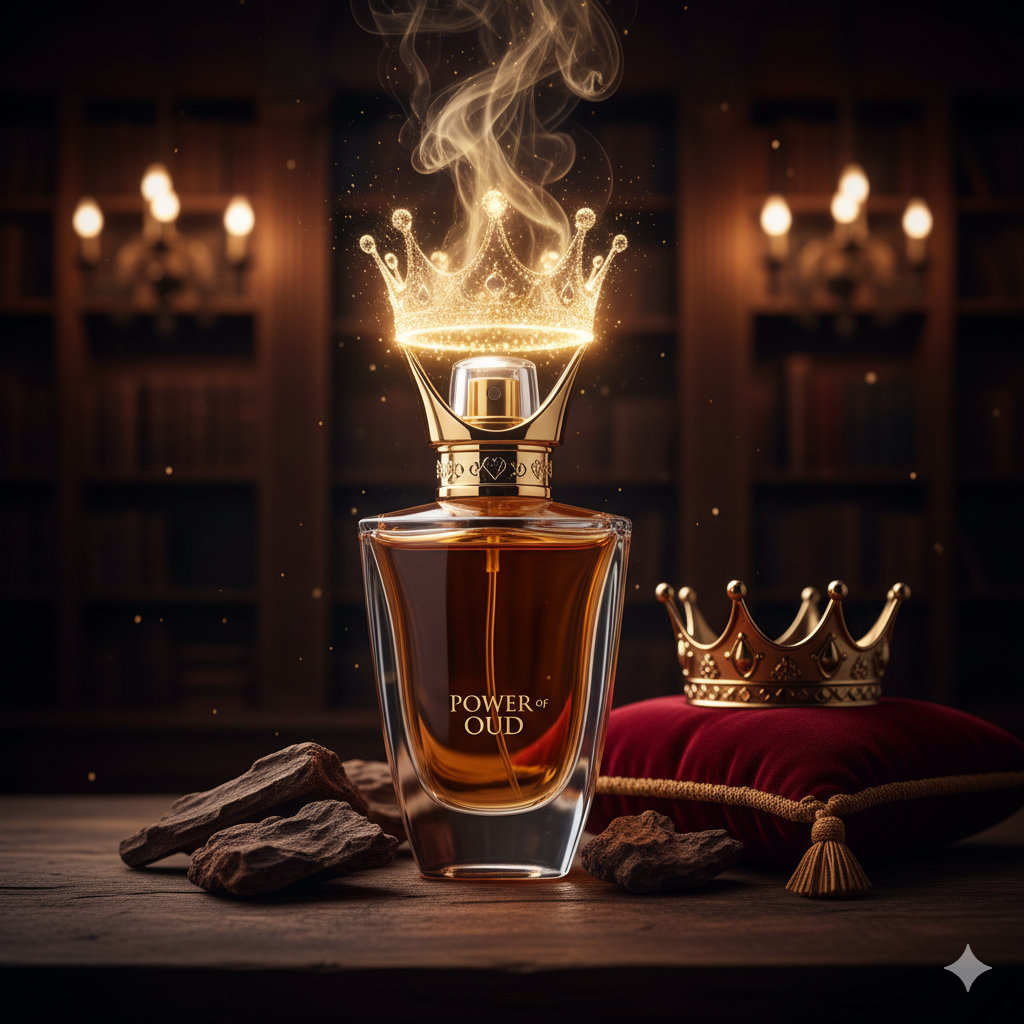
In the world of high-end fragrance, no ingredient commands more respect, mystery, and luxury than Oud (pronounced ood), also known as agarwood. Often called “liquid gold,” Oud is a dark, complex resin that has been used for centuries in the Middle East and Asia, but has exploded onto the Western market in the last decade. It’s dense, woody, sweet, and even slightly animalic. We dive into the fascinating, complex story of Oud, explaining its rare origins, why it’s so expensive, and how to identify and appreciate the notes of this magnificent, magnetic “King of Fragrance.”
Section 1: The Complex Origin Story of Oud
Oud is not a simple wood; it is a precious resin produced by a natural defense mechanism.
The Agony and the Resin
- The Tree: Oud comes from the wood of the Aquilaria tree, found across Southeast Asia.
- The Attack: The tree must be infected by a specific parasitic mold (Phialophora parasitica).
- The Defense: In response to the infection, the tree produces a dark, aromatic, protective resin—this is the coveted Oud.
Crucially, less than 2% of Aquilaria trees naturally produce this resin, making naturally harvested Oud incredibly rare, wildly expensive, and environmentally threatened.
Section 2: Decoding the Oud Scent Profile
The aroma of Oud is notoriously complex, changing based on the tree’s location, age, and method of distillation.
| Oud Characteristic |
Aroma Description |
Olfactory Role |
| Woody |
Dark, smoky, rich, aged wood. |
Provides density and sophistication. |
| Sweet / Balsamic |
Hints of honey, spice, and incense resin. |
Balances the animalic notes; adds longevity. |
| Animalic / Leathery |
Subtly medicinal, barnyard, or earthy. |
Provides the “magnetism” and intensity; unique to high-quality Oud. |
| Base Note Power |
Oud is one of the densest fixatives known. |
Acts as the ultimate anchor, ensuring wear time of 10+ hours. |
Section 3: Natural vs. Synthetic Oud (The Ethical Dilemma)
The rarity and high demand for natural Oud have created a complex ethical and market situation:
1. Natural Oud
- Pros: Unparalleled depth, complexity, and natural evolution on the skin.
- Cons: Price can exceed $30,000 per kilo; high environmental impact due to illegal harvesting; ethical sourcing is challenging.
2. Synthetic Oud Accords
- Pros: Environmentally sustainable; predictable in formulation; allows perfumers to control and refine the “barnyard” notes to be more palatable to Western tastes.
- Cons: Often lacks the true, evolving depth of the natural resin.
The Modern Solution: Most responsible and mainstream luxury brands use a high-quality synthetic Oud Accord (a blend of molecules like Amberwood or Norlimbanol) supplemented by small amounts of ethically cultivated natural Oud oil for texture.
Section 4: How to Wear Oud
Oud is a commanding scent that requires thoughtful application:
- Occasion: Best saved for evening wear, dates, or cold weather. It can be too heavy or intense for a conservative office environment.
- Layering: If you find Oud too intense, soften it by layering a simple, light Rose or Sandalwood oil underneath. Rose and Oud is a classic combination that balances the darkness with floral sweetness.
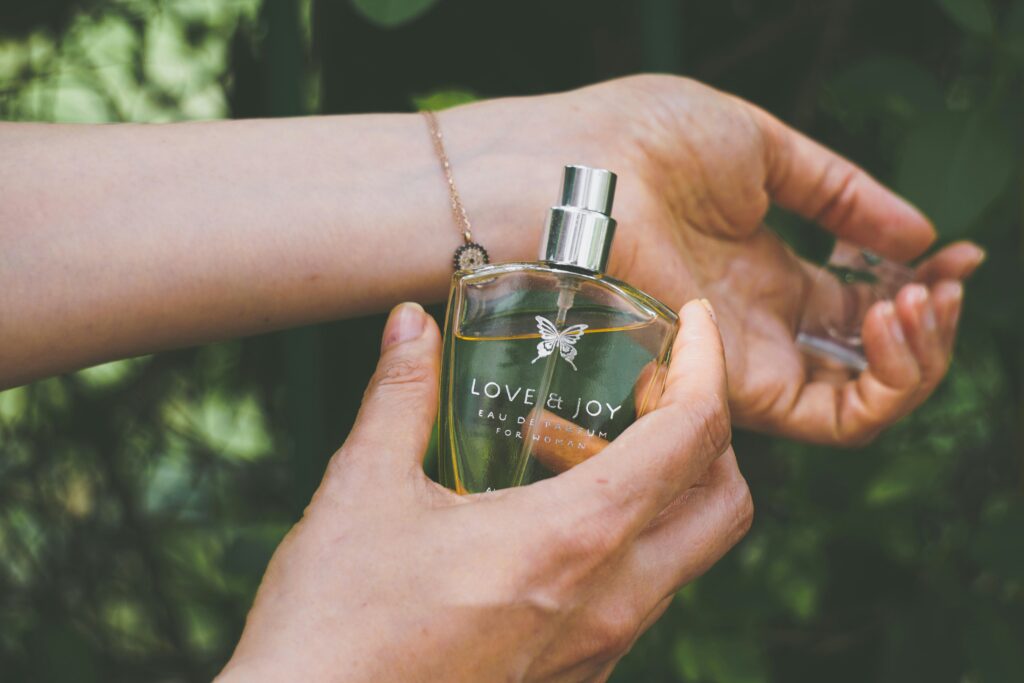
- Application: Given its immense strength and longevity, start with one single spray on a lower pulse point (like the inner elbow) and let the warmth of your skin release its power slowly.
Conclusion: An Essential Ingredient
Oud is more than just a note; it’s a statement of luxury, history, and profound aromatic complexity. Whether through natural oil or high-quality synthetic accords, experiencing the depth and power of Oud is an essential step in becoming a true fragrance connoisseur.
Call to Action
Have you tried an Oud fragrance before? If so, did you prefer a pure, deep Oud or one blended with Rose or Vanilla? If not, what blend would you try first?
🏷️ Suggested Tags
#Oud #Agarwood #NichePerfume #LuxuryIngredients #Fixatives #TheSmell
🔗 Internal Linking (Crucial for SEO)
- Link 1 (Related Science): Discuss the ethics of ingredients in Sustainable Scents: Exploring the World of Ethical and Eco-Friendly Perfumery.
- Link 2 (Related Ingredients): Discuss the base note function in The Secret Life of Base Notes: How Fixatives Keep Your Scent Alive.
- Link 3 (Related Scent Family): Discuss how it fits the category in The 7 Fragrance Families: Finding Your Olfactory Home.
Share this post:
on Facebook