Introduction: The Alphabet Soup of Fragrance
(Small Paragraph for Blog Page Snippet)
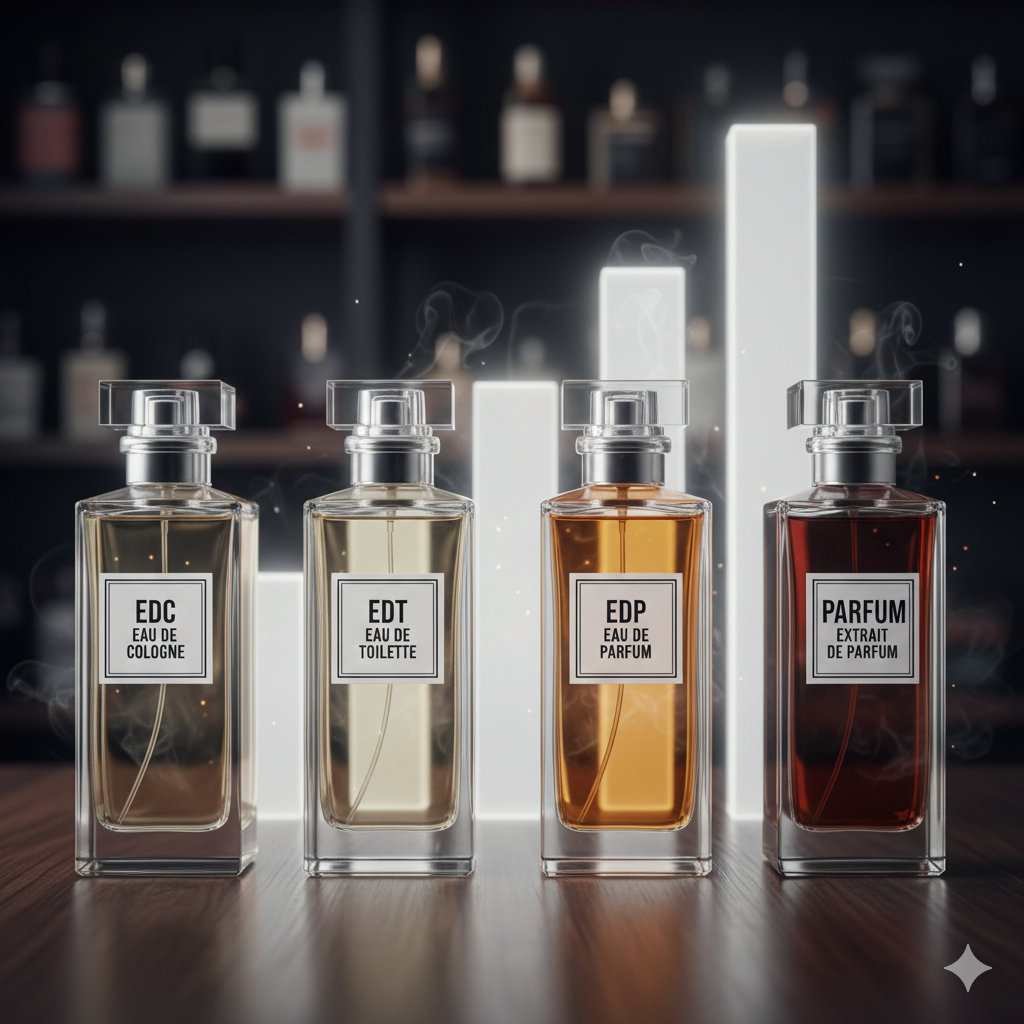
If you’ve ever stared at a shelf of perfumes wondering whether to choose EDT, EDP, Parfum, or EDC, you’re not alone. These seemingly random acronyms are actually the key to understanding a fragrance’s performance, intensity, and price. Far beyond just a fancy name, the concentration level tells you exactly how much pure scent oil is mixed into the alcohol base. Stop wasting money on light concentrations when you need staying power! This ultimate guide breaks down the essential differences between Eau de Toilette (EDT) and Pure Parfum, helping you master the concentration spectrum and choose the perfect formula for every budget and occasion.
Section 1: The Core Science — What Concentration Means
The Formula Breakdown
All modern perfumes are made up of three main components:
- Fragrance Oils: The essential, costly materials that provide the smell.
- Alcohol (Ethanol): The carrier that dilutes the oils and helps the scent project off the skin.
- Water: Used in small amounts, mainly in lighter concentrations.
The concentration is the percentage of pure fragrance oil dissolved in the alcohol. The higher the percentage of oil, the higher the price, the stronger the intensity, and the longer the scent will typically last.
The Olfactory Journey (The Difference in Smell)
Crucially, higher concentrations don’t just mean “stronger.” Often, a brand will use a slightly different formula:
- Lighter Concentrations (EDT): Often emphasize the bright, volatile top notes. They are designed for an immediate, fresh impact.
- Heavier Concentrations (Parfum): Emphasize the denser base notes. They are designed to be richer, deeper, and last longer on the skin.
Section 2: The Concentration Spectrum Explained
Here is the essential breakdown of the four main categories you will see on fragrance labels, ranked from lightest to heaviest:
| Concentration Term |
Acronym |
Oil Concentration |
Typical Longevity |
Best for… |
| Eau de Cologne |
EDC |
2% – 4% |
1–2 Hours |
Quick refresh, gym, summer heat. |
| Eau de Toilette |
EDT |
5% – 15% |
3–4 Hours |
Daily wear, office, spring/summer. |
| Eau de Parfum |
EDP |
15% – 20% |
5–7 Hours |
Evening, cold weather, signature scent. |
| Parfum (Extrait) |
Extrait |
20% – 40% |
8+ Hours |
Special occasions, maximum depth, luxury. |
Section 3: When to Choose Which — Situational Guidance
Choosing Eau de Toilette (EDT)
When to Choose: EDT is the workhorse of your collection. It’s ideal for situations where you want a pleasant scent bubble that doesn’t dominate.
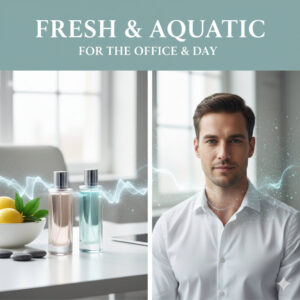
- The Office: Low sillage means you won’t overwhelm colleagues.
- Summer Heat: The high alcohol content helps the scent evaporate quickly, providing a cooling, refreshing burst.
- Budgeting: It is generally the most cost-effective way to enjoy a scent.
Choosing Eau de Parfum (EDP) and Parfum (Extrait)
When to Choose: These higher concentrations are for commitment, projection, and depth.
- Formal Events/Evening: The richness and longevity are perfect for making a lasting impression.
- Winter: The dense oils are less volatile, allowing the fragrance to hold up much better against cold, dry air.
- Dry Skin: Oil-heavy formulas sit better and last longer on skin that doesn’t hold moisture well.
Conclusion: Knowing Your Acronyms Saves Money
Understanding the difference between an EDT and a Parfum is crucial for savvy fragrance shopping. It helps you justify the price difference, manage your performance expectations, and ensure you’re choosing the right intensity for the right environment. Stop playing the guessing game—use these acronyms to your advantage and master your fragrance choices!
Call to Action
Which concentration is your personal favorite, and why? Do you prefer the light freshness of an EDT, or the all-day power of a Parfum? Tell us about the longest-lasting Parfum you own in the comments below!
🔗 Internal Linking (Crucial for SEO)
- Link 1 (For Longevity): Understand your results better with Why Does not My Perfume Last as Long as I Want?
- Link 2 (For Application): Combine the right concentration with technique in Where to Spray: The 7 Secret Pulse Points for Maximum Sillage and Longevity.
- Link 3 (For Buying): Relate to cost in Affordable Perfumes with Long-Lasting Scent.
Share this post:
on Facebook