Introduction: Beyond the Department Store
(Small Paragraph for Blog Page Snippet)
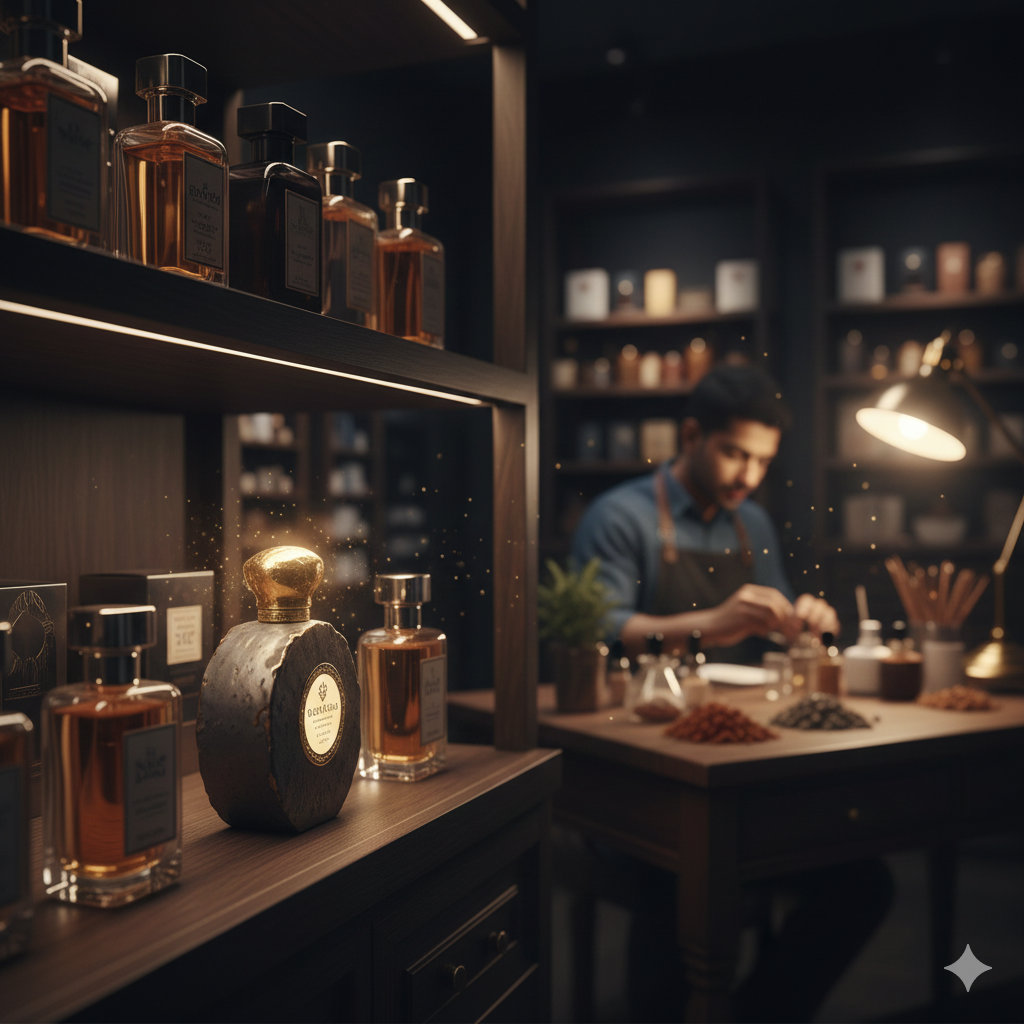
If you’re tired of smelling the same fragrances on everyone you meet, it’s time to move beyond the mainstream and explore the creative frontier of Niche Perfumery. Niche brands prioritize artistic expression, unique ingredients, and storytelling over mass-market appeal. They are often run by independent perfumers with unparalleled creative freedom, resulting in scents that are challenging, complex, and intensely personal. We explore the defining characteristics of this artistic category, explain why the higher price tag is justified, and guide you on how to start building a truly original and captivating collection of your own.
Section 1: The Defining Characteristics of Niche
Niche perfumery is fundamentally different from designer/mainstream brands (often called ‘mass’ or ‘prestige’ brands) in its goals and structure.
1. Creative Freedom Over Commercial Appeal
- Goal: A niche perfumer’s main goal is to evoke a specific memory, place, or feeling—not necessarily to be loved by everyone. This leads to the use of unique, often polarizing notes like ink, gasoline, smoke, or photorealistic moss.
- Result: You get unique, memorable scents that act as conversational pieces.
2. High-Quality, Exclusive Ingredients
- The Investment: Niche houses often use rare or highly concentrated raw materials, sometimes sourced ethically or exclusively. Their focus is on the quality and percentage of the expensive fragrance oil (up to 30% or more) rather than on advertising spend.
- The Scent: The resulting scent often has a richer, more natural texture and a more complex evolution on the skin.
3. Limited Distribution
Niche brands rarely advertise on TV or in glossy magazines. They are typically found only in specialized boutiques, independent high-end retailers, or their own standalone stores. This exclusivity is part of the appeal.
Section 2: Why the Higher Price Tag is Justified
The price difference isn’t just marketing—it reflects the fundamental costs of creation:
| Factor | Designer/Mainstream Brand | Niche/Indie Brand |
| Marketing | Massive budget (celebrity endorsements, global ads). | Minimal; word-of-mouth and artistic reputation. |
| Formula Cost | Often uses standardized, cost-effective materials. | Prioritizes rare, high-cost naturals and complex, high-quality synthetics. |
| Concentration | Often EdT (10–15% oil). | Often EdP or Extrait (18–30% oil). |
| Testing | Focuses on broad appeal testing. | Focuses on perfumer’s artistic vision. |
Section 3: Your Niche Exploration Strategy
Diving into niche can be expensive. Reduce your risk with this smart strategy:
- Read the Brand Story: Don’t just read the notes; read the brand’s mission. If the story resonates with you, the perfume likely will too.
- Focus on Decants: Never blind buy a full bottle. Purchase small decants (2ml-5ml) or sample sets directly from the brand or a trusted decanting service. This allows you to wear the scent multiple times before committing.
- Try the Challenging Notes: Niche is where you find the best iterations of difficult notes. If you’ve always hated Patchouli, try a niche patchouli—you may discover it was the cheap blend you disliked, not the note itself.
- Buy a Travel Spray: If you love a scent after testing the sample, start with the travel size (10ml or 15ml) instead of the 100ml bottle. It’s a lower initial investment and safer for travel!
Conclusion: Finding Your Unique Signature
Niche perfumery is an exciting, deeply personal journey. By investing in artistic independence and unique formulations, you are choosing a scent that tells a richer, more unique story about who you are. Stop blending in, and let your niche fragrance become your unforgettable signature.
Call to Action
What niche house are you most curious to try, or which one is your current favorite? Share your most unusual niche fragrance note discovery with us!
🏷️ Suggested Tags
#NichePerfume #IndieFragrance #LuxuryScents #PerfumeReview #CollectionBuilding #Explore
🔗 Internal Linking (Crucial for SEO)
- Link 1 (Related Ingredients): Discuss the ethical reason for high-cost materials in Sustainable Scents: Exploring the World of Ethical and Eco-Friendly Perfumery.
- Link 2 (Related Buying): Encourage safe purchasing with Buying Blind: A Step-by-Step Guide to Purchasing Perfume Without Smelling It First.
Link 3 (Related Travel): Promote the use of small sizes in Scent on the Go: The Ultimate Guide to Perfume Travel Decants and Samples.
Share this post: on Twitter on Facebook