SpFragrance

Blog Post

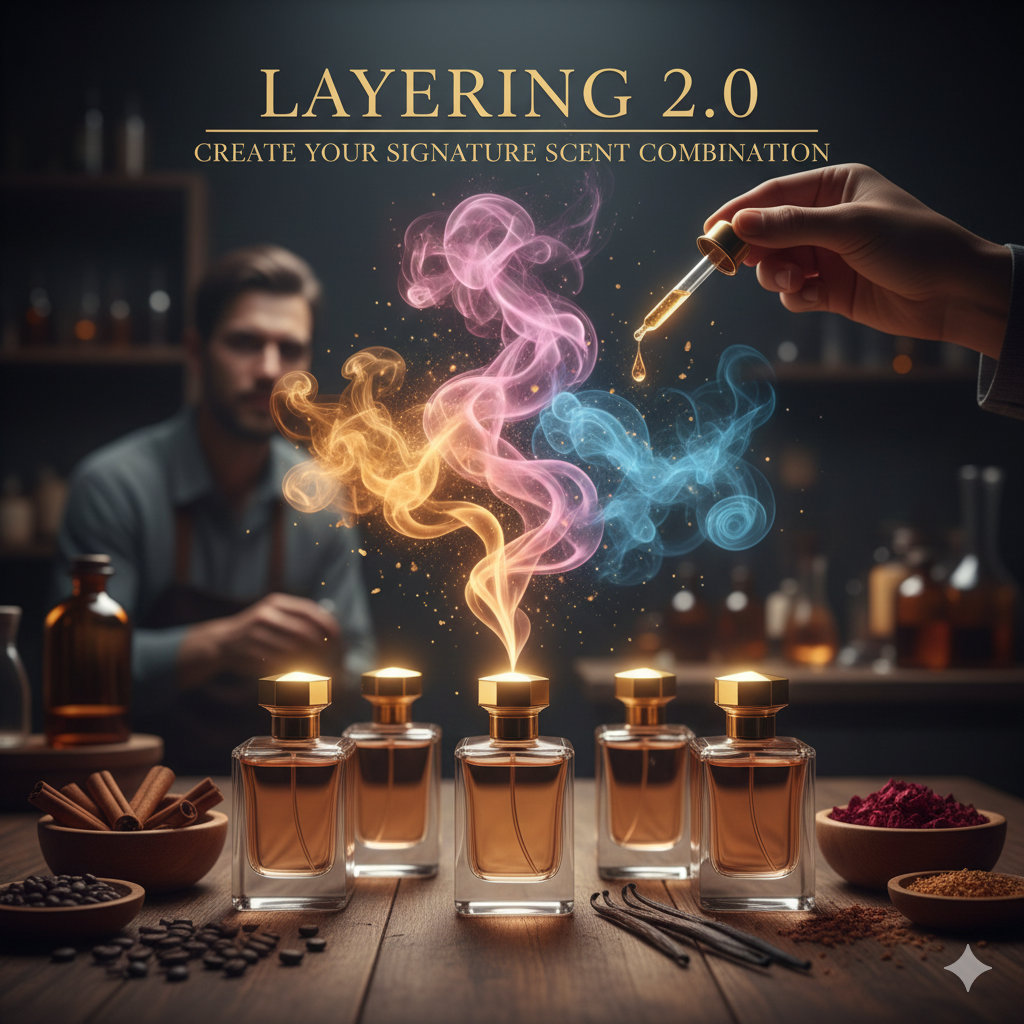
Layering 2.0: Simple Techniques to Create Your Signature Scent Combination

Introduction: Blending Your Own Masterpiece

(Small Paragraph for Blog Page Snippet)

Tired of choosing between your favorite perfumes? Scent layering is the sophisticated solution, allowing you to blend two or more fragrances to create a completely unique, customized, and complex aroma that no one else possesses. This is where personal style meets perfumery art. Layering isn’t just about spraying two scents at once; it requires strategy, structure, and an understanding of how base notes interact. We provide the essential rules and creative formulas to help you confidently craft your own personalized signature scent combination that performs beautifully and lasts all day.

Section 1: The Golden Rule of Layering—Structure

Successful layering always follows a structured approach, building from the heaviest base to the lightest top.

1. The Foundation (The Longest Layer)

  • What to Use: A single-note perfume oil, an unscented moisturizer, or a fragrance with a strong, simple base note (like pure Vanilla, Musk, or Amber).
  • The Role: This acts as the “glue” and the longest-lasting component. The oil or cream locks the subsequent layers onto the skin.

2. The Heart (The Main Player)

  • What to Use: Your main Eau de Parfum (EDP) or the fragrance you want to be the most dominant note (e.g., your favorite Rose or Oud).
  • The Role: This defines the character of the final blend. Apply this over the foundation layer on your pulse points.

3. The Accent (The Flashing Note)

  • What to Use: A lighter, more volatile fragrance like an Eau de Toilette (EDT) or a simple Citrus/Green scent.
  • The Role: Apply this to areas away from the foundation (e.g., the shoulders or hair). This note provides a bright, refreshing opening that lasts only a few hours, keeping the overall scent dynamic and intriguing.

Section 2: Layering Formulas for Perfect Harmony

When combining two scents, stick to these formulas to ensure the notes complement, rather than clash:

1. The Weight Rule (Heavy First)

  • Formula: Always spray the heavier, denser fragrance first, followed by the lighter one.
  • Example: Spray a thick Oud or Patchouli first, then layer a light Citrus over it. If you spray the light scent first, the heavy scent will completely crush and hide it.

2. The Complementary Family Rule

  • Formula: Layer two scents from adjacent or complementary Fragrance Families (e.g., blend a Woody scent with an Oriental scent).
  • Avoid: Layering opposite families (e.g., a heavy Gourmand with a light Aquatic), as they will often smell chaotic.
Successful Layering Formulas Notes to Combine
Rose + Spice Floral scent with a Clove or Cinnamon-heavy Oriental.
Vanilla + Citrus A simple Vanilla base oil with a light Bergamot/Lemon EDT.
Oud + Rose The classic Middle Eastern pairing; balances the darkness with bright floral notes.
Wood + Gourmand A dry Cedarwood with a hint of Coffee or Chocolate.

Section 3: Application Tips for Maximum Performance

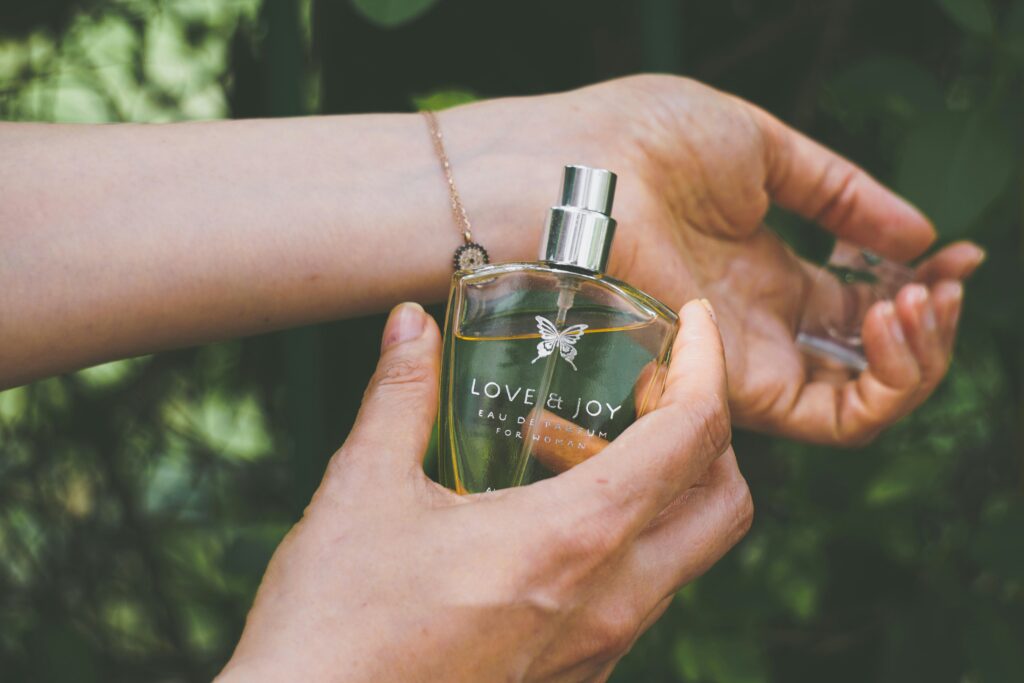
  • Spray Zones: Never spray the layered scents directly on top of each other. Apply the first scent to the wrist and the second scent to the inner elbow. This allows each scent to breathe and mix naturally in the air around you.
  • Scented Hair: Lightly misting your final combination onto a hairbrush and running it through your hair provides an excellent, long-lasting accent layer that gently diffuses with movement.

Conclusion: Define Your Own Scent Story

Layering transforms your perfume collection into a customizable palette. By using a structural approach and understanding how different families interact, you can move beyond simple rules and create a scent combination that is distinctly your own—a beautiful, evolving masterpiece tailored for your unique style.

Call to Action

What two fragrances are you going to try layering first using the “Heavy First” rule? Share your planned custom scent combination!

🏷️ Suggested Tags

#ScentLayering #FragranceHacks #SignatureScent #PerfumeTips #CustomScent #TheSmell

🔗 Internal Linking (Crucial for SEO)

  • Link 1 (Related Structure): Apply the concept of families in The 7 Fragrance Families: Finding Your Olfactory Home.
  • Link 2 (Related Ingredients): Use strong base notes with The Power of Oud: Understanding the King of Fragrance Ingredients.
  • Link 3 (Related Format): Explain using oils as a base in When to Choose a Solid Perfume or Oil vs. A Spray (And Why).

Related Article

Scent Pairings

Scent Pairings

Scent Pairings Welcome to the world of fragrance layering, where the magic of scent creation knows no bounds! 🌟✨ Have you ever wondered

Read More
Niche Perfumery

Niche Perfumery

Niche Perfumery Welcome to the enchanting world of niche perfumery, where creativity flourishes and boundaries fade away, allowing for truly unique olfactory experiences

Read More
Fragrance Families

Fragrance Families

Fragrance Families Welcome to our fragrant journey into the captivating world of fragrance families! 🌺🍊🌲✨ Fragrances are like stories captured in a bottle,

Read More
Scent Journey

Scent Journeys

Scent Journeys Since ancient times, it was believed that only the ethereal essence of incense could transcend the boundary between Heaven and Earth.

Read More

Marie Dime

Full time Fragrance blogger

Lorem ipsum dolor sit amet, consectetur adipiscing elit. Ut elit tellus, luctus nec ullamcorper mattis, pulvinar dapibus leo.

Marie Dime

My Personal Favorite
Sponsor
All Different fragrances available in all sizes...
Explore

Sign-up for
Perfume Fan Club

Size Converter

OZ

ML

1.0 oz

30 ml

1.7 oz

50 ml

2.5 oz

75 ml

3.4 oz

100 ml

4.2 oz

125 ml

6.7 oz

200 ml