Introduction: Fragrance with a Conscience
(Small Paragraph for Blog Page Snippet)
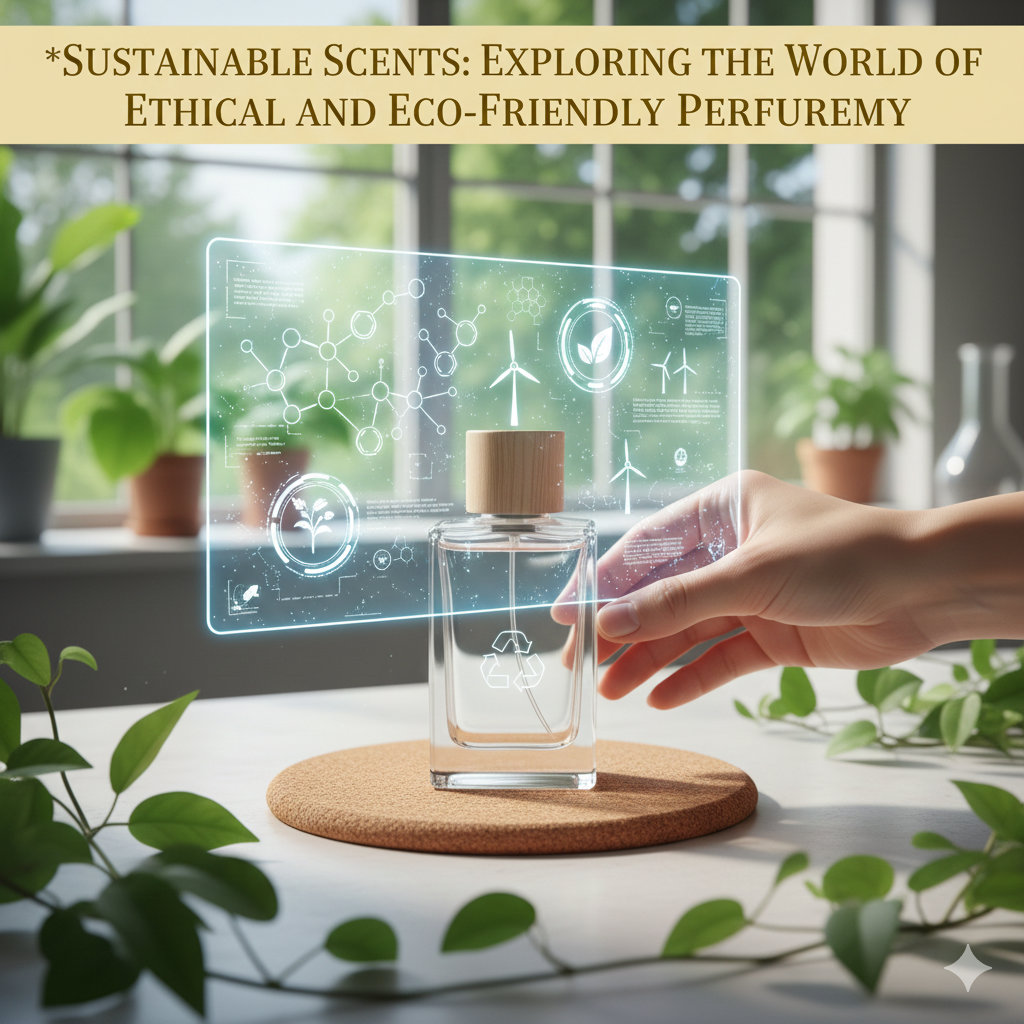
In an era where consumers demand transparency and sustainability, the fragrance industry is undergoing a quiet, yet powerful, revolution. Today, choosing a perfume isn’t just about the beautiful aroma; it’s about the values in the bottle. From ethically sourcing rare Sandalwood to replacing plastic caps with biodegradable alternatives, the most exciting houses are committed to the planet. We dive deep into the world of sustainable scents, helping you understand ‘clean beauty’ certifications, identify eco-friendly packaging, and discover the pioneering brands proving that luxury, ethics, and environmental consciousness can—and must—go hand-in-hand.
Section 1: The Three Pillars of Sustainable Perfumery
Sustainability in fragrance goes far beyond just recycling a box. It involves a holistic approach across the supply chain.
1. Ethical Sourcing and Traceability
- The Problem: Many traditional ingredients (like Sandalwood, Oud, and certain Musks) are either endangered or involve unfair labor practices.
- The Solution: Brands must employ traceable, certified ethical sourcing (e.g., Fair Trade vanilla) or transition to sustainable cultivated alternatives to protect both the planet and local communities.
2. Clean Formulation
- The Problem: The term “clean” lacks legal definition, leading to confusion. However, it generally refers to perfumes free from known irritants, parabens, and phthalates (chemicals used to extend scent life).
- The Solution: Brands are using safer, high-quality alternatives and prioritizing transparency by listing their ingredients fully, even if not legally required.
3. Eco-Conscious Packaging
- The Problem: Fragrance packaging often involves excessive plastic (caps, pumps, internal fittings) and non-recyclable complex materials.
- The Solution: Companies are now focusing on refillable bottles, using sustainable materials like FSC-certified paper for boxes, and designing bottles that can be easily disassembled for recycling.
Section 2: The Green Debate – Naturals vs. Synthetics
Contrary to popular belief, “all-natural” is not always the most sustainable choice.
- The Natural Dilemma: Sourcing huge amounts of natural ingredients (e.g., thousands of roses for a single ounce of oil) can be environmentally taxing and lead to resource depletion.
- The Synthetic Advantage: High-quality synthetic molecules (like Ambroxan) are often more sustainable, cleaner, less allergenic, and prevent the over-harvesting of threatened natural resources (like Oud, which we discussed previously!). Responsible perfumery utilizes the best of both worlds.
Section 3: How to Be a Conscious Consumer
When purchasing your next perfume, ask these key questions to assess its true sustainability:
- Is the Bottle Refillable? This is the easiest indicator of a company’s long-term commitment to reducing waste.
- Do They State Their Sourcing? Look for terms like ‘Fair Trade,’ ‘Cultivated,’ or ‘Traceable’ regarding key natural ingredients.
- Is the Brand Certified? Check if the brand adheres to external, independent standards (like Leaping Bunny for cruelty-free).
- What’s NOT in the Box? Do they use excessive plastic inserts or difficult-to-recycle foam? Simple, minimal packaging is usually a sign of environmental mindfulness.
Conclusion: The Scent of Responsibility
The shift toward sustainable scents allows us to indulge in luxury while honoring our values. By supporting ethical brands, demanding transparency, and making small changes in our consumer habits, we actively participate in shaping a cleaner, more responsible future for the art of perfumery. Choose a fragrance that smells incredible and lets you feel good about the story behind the bottle.
Call to Action
What is one feature you always look for in a sustainable fragrance (e.g., refillable, cruelty-free, traceable)? Share your favorite ethical fragrance brand with us in the comments!
🏷️ Suggested Tags
#SustainableScents #EthicalBeauty #CleanFragrance #EcoFriendly #PerfumeSourcing #GreenPerfume #Explore
🔗 Internal Linking (Crucial for SEO)
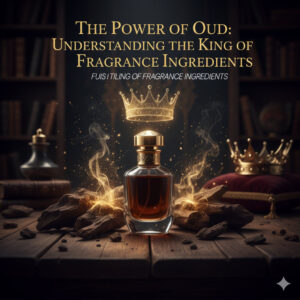
- Link 1 (Related Ingredients): Discuss the ethical dilemma in The Power of Oud: Understanding the King of Fragrance Ingredients.
- Link 2 (Related Science): Dive deeper into the synthetic discussion with Synthetic Scents vs. Naturals: Separating Myth from Reality in Perfumery.
- Link 3 (Related Style): Introduce ethical brands in Niche Perfumery.
Share this post: on Twitter on Facebook